New York State Legislature Passes the No Severance Ultimatums Act

Recently, the New York State Legislature passed a bill that would establish the “No Severance Ultimatums Act”, which would impose new restrictions and requirements on employers relating to such agreements. The bill is now awaiting Governor Kathy Hochul’s signature and if signed, would take effect immediately. Specifically, the bill prevents employers from giving coercive ultimatums … Read more


EEOC Issues a Proposed Rule to Remove EEO Filing Requirements

In 1966, the Equal Employment Opportunity Commission (“EEOC”) adopted the annual EEO-1 reporting requirement (the first of six reporting requirements), which requires covered employers are required to annually report race and sex demographic data about their employees on EEO-1 reports. On July 23, 2026, EEOC issued a proposed rule to rescind those requirements for the … Read more

New York City Finalizes Earned Safe and Sick Time Act Rules

On June 23, 2026, New York City’s Department of Consumer and Worker Protection (DCWP) finalized its amended rules under the Earned Safe and Sick Time Act (“ESSTA”). The final rule took effect on July 23, 2026.As you may recall, on February 22, 2026, the amendments to the ESSTA took effect, which expanded qualifying reasons for leave; established … Read more

U.S. Supreme Court Issues Decision Allowing the Federal Government to End Temporary Protected Status for Certain Nationals

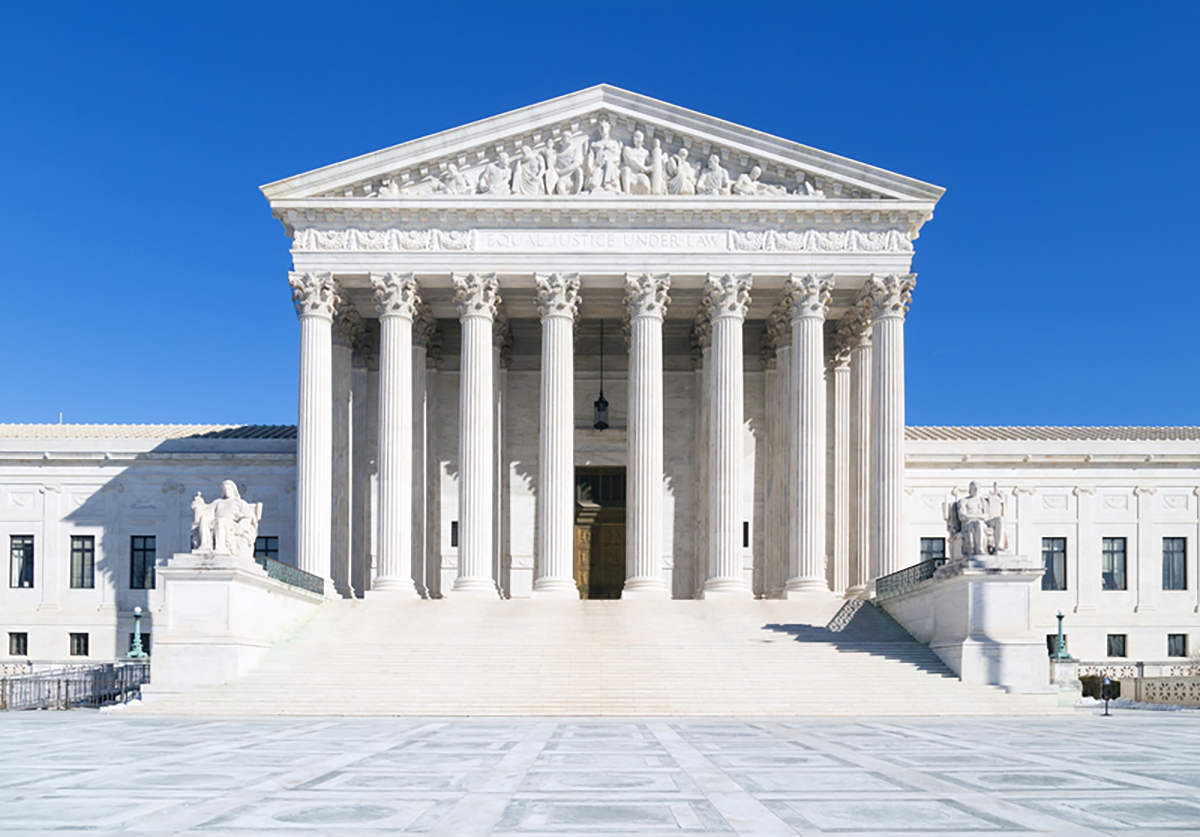
On June 25, 2026, the U.S. Supreme Court issued a decision holding that the federal government is entitled to end Temporary Protected Status (“TPS”) for nationals of Haiti and Syria and courts cannot challenge that decision. The Secretary of Homeland Security may designate a foreign country for TPS due to conditions in the country that … Read more

U.S. DOJ Issues Disparate Impact Liability Opinion

On June 9, 2026, the U.S. Department of Justice (“U.S. DOJ”) issued a memorandum of opinion (the “Opinion”) finding that the disparate impact provisions in Title VII of the Civil Rights Act of 1964, as amended by the Civil Rights Act of 1991, are unconstitutional as currently interpreted and applied, particularly by the EEOC in … Read more

EEOC Releases Guidance Regarding Telework Accommodations for Disabilities

Recently, the Equal Employment Opportunity Commission (“EEOC”) released new guidance addressing telework accommodations for employees of federal agencies.  According to the EEOC, the guidance entitled, “Frequently Asked Questions from the Federal Sector about Telework Accommodations for Disabilities” (“FAQ”), was issued to assist agencies in identifying when they are required to grant or continue telework accommodations, … Read more